
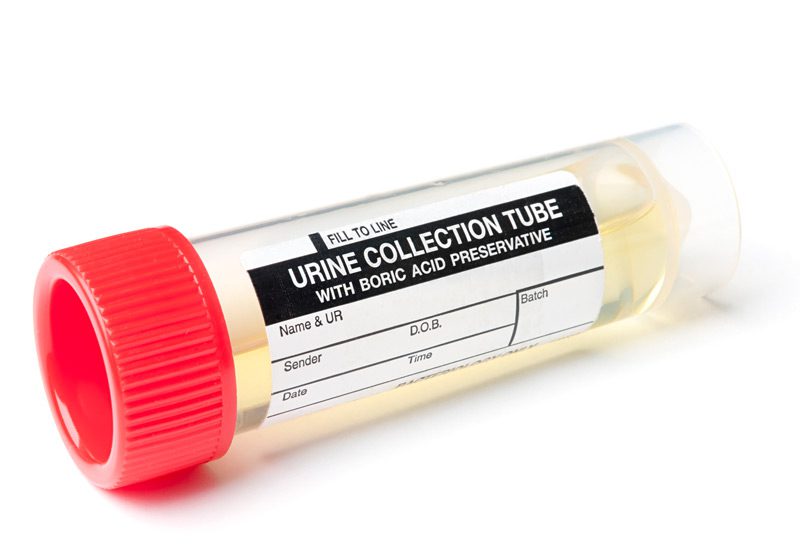

Hematuria refers to the presence of blood in the urine and can range from microscopic (only visible under a microscope) to gross (visible to the naked eye). While it can sometimes be harmless, hematuria is often a sign of an underlying condition and should always be evaluated by a urologist.
Causes of Hematuria
There are many urologic and systemic causes of blood in the urine, including:
- Urinary Tract Infection (UTI): A common cause of hematuria, especially when accompanied by burning, urgency, or frequency.
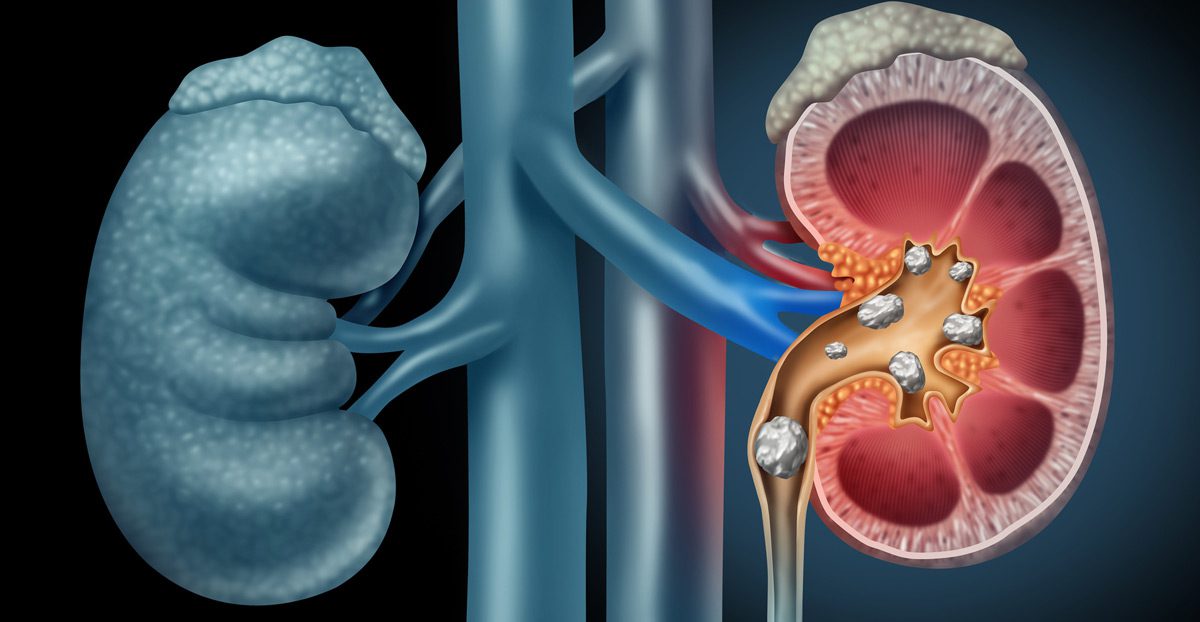
- Kidney Stones: Stones can irritate or damage the lining of the urinary tract, resulting in blood in the urine.
- Bladder or Kidney Tumors: Hematuria may be the first and only symptom of bladder, kidney, or ureteral cancer.
- Enlarged Prostate (BPH): In men, an enlarged prostate can cause urinary retention and irritation, leading to bleeding.
- Strenuous Exercise: Known as “exercise-induced hematuria,” this is typically benign and temporary.
- Trauma: Injury to the kidneys, bladder, or urethra can result in visible bleeding.
- Glomerular Disease: Microscopic hematuria can originate from the kidneys themselves due to inflammation or autoimmune disease.
- Urologic Procedures or Catheterization: Temporary bleeding may occur after urologic manipulation.
Diagnosis
A thorough evaluation is essential to determine the source and seriousness of the bleeding. Diagnostic steps may include:
- Medical History and Physical Exam: Including review of symptoms, medications, and risk factors like smoking or recent infections.
- Urinalysis: Checks for red blood cells, infection, or protein that may indicate kidney involvement.
- Urine Culture: Rules out bacterial infection.
- Blood Tests: Assess kidney function and identify signs of systemic disease.
- Imaging Studies: CT urogram, renal ultrasound, or MRI to evaluate the kidneys, ureters, and bladder.
- Cystoscopy: A direct visual exam of the bladder and urethra using a thin, flexible scope inserted through the urethra. Essential in many cases of unexplained gross hematuria, especially in older adults or smokers.
Treatment Options
Treatment depends entirely on the cause of hematuria:
- Infections: Treated with antibiotics.
- Stones: May pass on their own or require procedures such as shockwave lithotripsy or ureteroscopy.
- Tumors: May require surgery, biopsy, or oncologic referral.
- BPH: Treated with medication or surgery if bleeding is persistent or bothersome.
- Kidney Disease: Managed with nephrology input, often with medications to reduce inflammation.
Next Steps
If you notice blood in your urine—whether visible or detected during testing—it’s important to see a urologist for a full evaluation. While many causes of hematuria are benign, some can be serious or life-threatening if left untreated. Early diagnosis ensures the best chance for effective treatment and peace of mind.